Understanding essential casino etiquette for an enjoyable experience
Respecting the Rules of the Game
One of the fundamental aspects of casino etiquette is understanding and respecting the rules of the games you choose to play. Each game has its specific set of guidelines that players must follow. Familiarizing yourself with these rules not only enhances your own experience but also respects the environment for other players and the dealers. For instance, if you’re playing slots, you might find that games like Sugar Rush 1000 can add extra excitement with their unique mechanics, making the game more enjoyable for everyone.

Additionally, be attentive to the dealer and follow their instructions. Dealers often have a wealth of knowledge about the game and can guide you through the betting process. Ignoring their cues or talking over them can create confusion and disrupt the flow of the game. Always remember to keep the game moving at a good pace to maintain a fun atmosphere.
Managing Your Bankroll Wisely
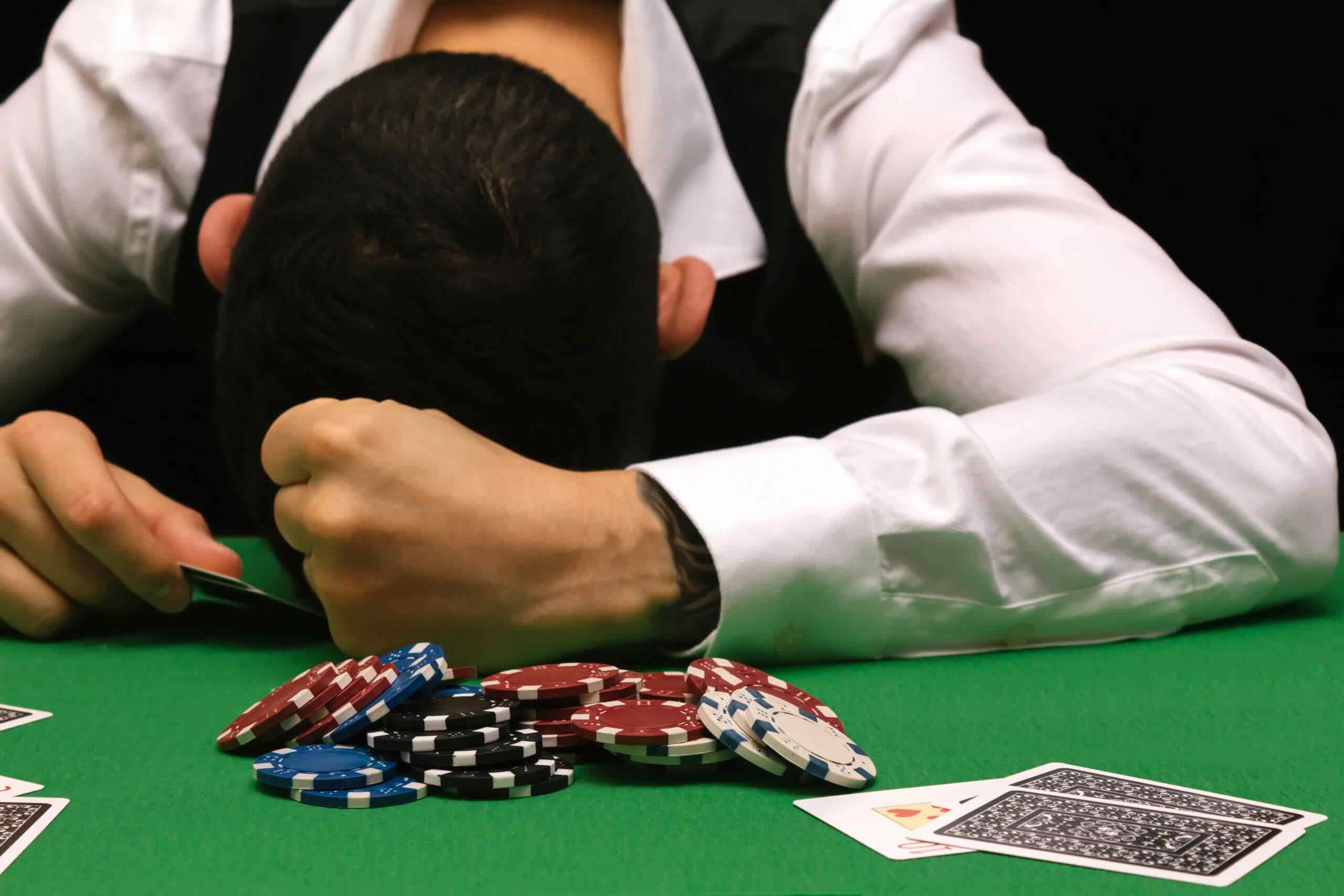
Effective bankroll management is critical for a positive casino experience. Set a budget before entering the casino and stick to it, regardless of wins or losses. This practice ensures that your gambling remains a form of entertainment rather than a financial burden. It’s essential to determine how much you are willing to spend, and once you reach that limit, walk away. This discipline is crucial for enjoying your time without stress.
Furthermore, consider breaking your bankroll into smaller sessions. This method allows you to savor your gaming time and reduces the temptation to chase losses. With smaller betting amounts, you can prolong your play and increase your chances of having fun without risking more than you intended.
Being Courteous to Other Players
Casino gaming is inherently social, and being courteous to fellow players goes a long way in creating a pleasant atmosphere. Avoid distractions such as excessive loud talking or disruptive behavior, as these can detract from the experience of those around you. If you’re playing at a table, be mindful of your surroundings and ensure your actions don’t interfere with other players’ opportunities to enjoy the game.
Additionally, wait your turn when placing bets or making decisions, and be respectful of the game’s tempo. Each player contributes to the overall environment, and maintaining a friendly demeanor helps foster camaraderie among players. A simple smile or a friendly nod can enhance the atmosphere, making everyone feel more at ease.
Understanding Tipping Etiquette
Tipping is an essential part of casino etiquette that reflects appreciation for the staff’s service. Dealers and waitstaff work hard to provide an enjoyable experience, and showing gratitude through tipping is customary. It’s a good practice to tip dealers for good service, typically in the form of chips or cash. A general guideline is to tip a small percentage of your winnings, which helps to foster goodwill and ensures exceptional service throughout your gaming session.
Keep in mind that tipping standards may vary by region and casino, so it’s advisable to observe the practices of other patrons. Being aware of and participating in this culture not only reflects your respect for the casino staff but also enhances the overall atmosphere for everyone involved.

Exploring Our Casino Experience
At our casino, we strive to create a welcoming environment that emphasizes the importance of etiquette among our guests. We believe that a respectful and friendly atmosphere enhances the enjoyment of all players. Our staff is always available to assist and ensure that everyone has a great time while adhering to the essential gaming etiquette.
We encourage all guests to embrace these principles of casino etiquette, as they play a vital role in creating a positive experience. By respecting the rules, managing your bankroll, being courteous, and tipping appropriately, you help contribute to a vibrant and enjoyable casino environment for all. Join us for a memorable gaming experience that prioritizes fun and respect.