Understanding the psychological triggers that drive gambling behavior
The Allure of Risk and Reward
The excitement of gambling often stems from the intrinsic thrill associated with risk-taking. Many individuals are naturally drawn to scenarios that involve uncertainty, as the potential for winning can elicit feelings of euphoria. This emotional response can be amplified by the social environment of gambling, where the shared experience of winning or losing can create a communal sense of excitement. Since many people are exploring online gambling sites, understanding these psychological triggers is even more crucial for making informed choices.
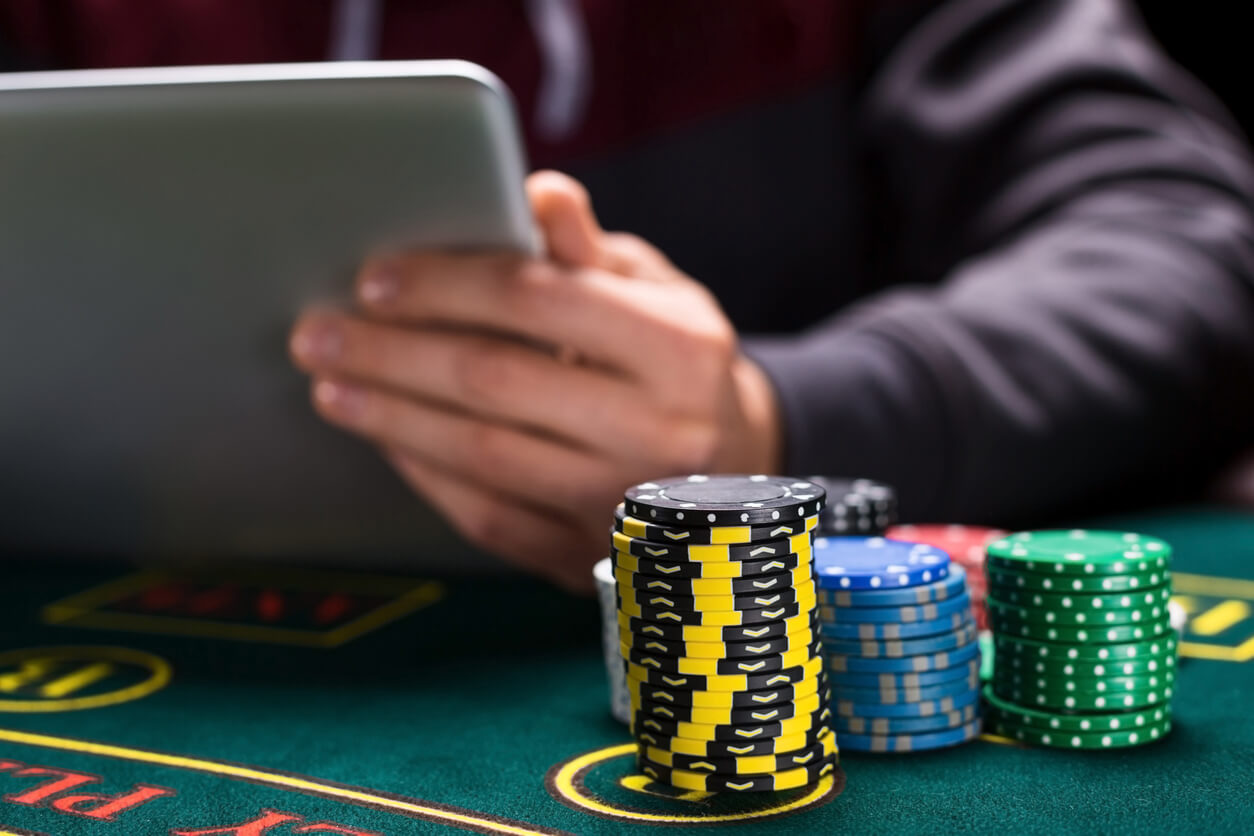
Furthermore, the immediate rewards associated with gambling—such as the sound of coins, flashing lights, and celebratory atmospheres—can reinforce this behavior. This creates a feedback loop where the pleasurable sensations stimulate a desire to gamble more frequently, often leading to habitual gambling behavior.
Cognitive Biases in Decision Making
Another significant factor that influences gambling behavior is cognitive bias. Gamblers often exhibit a tendency to overestimate their chances of winning, believing that they possess a certain skill or insight that gives them an edge. This phenomenon is often referred to as the “illusion of control,” where individuals think their actions can influence random outcomes.
Additionally, biases like the “gambler’s fallacy” lead players to believe that past outcomes can affect future results. For instance, if a player has experienced a losing streak, they may wrongly assume that a win is due soon. These cognitive distortions can significantly impact gambling decisions, often resulting in continued play despite negative outcomes.
The Role of Emotional States
Emotions play a pivotal role in gambling behavior. Many individuals turn to gambling as a means of coping with stress, anxiety, or depression. The temporary escape that gambling provides can serve as a distraction from life’s challenges. Unfortunately, this can lead to a cycle of increased gambling as individuals seek to replicate the initial relief they experienced.
Furthermore, heightened emotions, whether positive or negative, can influence gambling behavior. For instance, a person celebrating a victory may be more inclined to continue gambling, believing that their luck is favoring them. Conversely, someone experiencing sadness may gamble in an attempt to alleviate their emotional pain, which can lead to further gambling problems.
Social Influences and Group Dynamics
The social aspect of gambling cannot be underestimated. Many individuals are encouraged to gamble by peers or family members, creating a sense of belonging and shared excitement. This social validation can reinforce gambling behaviors, leading individuals to partake in gambling activities even when they might otherwise avoid them.
Moreover, the presence of others can amplify the intensity of the gambling experience. Group dynamics, such as a collective cheer for wins or shared disappointment for losses, can heighten emotional responses and deepen the connection to gambling. This social reinforcement creates an environment where gambling becomes normalized, making it harder for individuals to break free from habitual patterns.

About the Website
This website aims to inform users about the latest developments and trends within the gambling industry. By providing insights into psychological triggers, users can better understand the complex motivations behind gambling behavior. This knowledge can serve as a valuable resource for beginners looking to navigate the gambling landscape more responsibly.
If you encounter any issues accessing information, the site offers assistance to ensure users can obtain the insights they seek. Engaging with this platform can enhance your understanding of gambling behaviors and encourage more informed decisions in your gambling journey.
