The evolution of gambling from ancient rituals to modern casinos
The Origins of Gambling
Gambling has roots that stretch back thousands of years, appearing in various forms across many cultures. In ancient societies, gambling was often tied to religious rituals and was used as a way to communicate with the divine. For instance, ancient Chinese culture featured games of chance that relied on dice made of animal bones, believed to invoke fortune from the gods. Similarly, ancient Egyptians played games of chance that were intrinsically linked to their spiritual beliefs, suggesting that gambling was a way to seek divine favor. It’s interesting to note how gambling, much like casinos not on gamstop, has found a place within various cultural contexts over time.
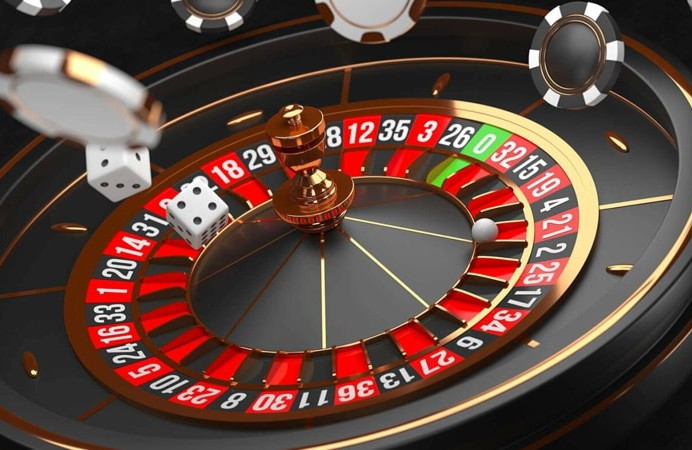
The earliest evidence of gambling activities can be traced to artifacts such as dice, dating back to around 3000 BC in Mesopotamia. This indicates that humans have had an inclination towards games of chance long before the establishment of modern societies. These practices evolved into complex games that eventually paved the way for the development of more structured forms of gambling.
The Role of Gambling in Ancient Cultures
In addition to being an entertainment activity, gambling served various social functions in ancient cultures. It was a means of building community, facilitating social bonds, and reinforcing hierarchies within societies. For example, in ancient Rome, gambling was often associated with elite social gatherings, where wealthier classes would engage in games to display status and reinforce their power.
Moreover, gambling was sometimes incorporated into military strategies. Soldiers would wager on outcomes of battles or even on their own survival, reflecting how intertwined the practice was with daily life. Such gambling rituals not only provided excitement but also influenced social dynamics and decision-making processes in these ancient communities.
The Transition to Regulated Gambling
As societies advanced, gambling transitioned from informal practices to more regulated forms. The establishment of rules and structures in gambling marked a significant turning point. In medieval Europe, various governments began to impose regulations on gambling activities, aiming to curb cheating and protect citizens from exploitation. This led to the introduction of official lottery systems, which were used not only to raise funds for public projects but also to legitimize gambling as a regulated form of entertainment.
The growth of organized gambling continued, especially during the Renaissance, when casinos began to appear in Italy. These establishments offered a wide range of games, attracting patrons from different social classes. The establishment of casinos signified a shift in the perception of gambling—from a potentially dangerous activity to an accepted leisure pursuit.
The Rise of Modern Casinos
The 20th century witnessed a dramatic transformation in the gambling landscape. The proliferation of modern casinos, particularly in Las Vegas and Atlantic City, revolutionized how gambling was perceived and conducted. These establishments were designed to provide an immersive experience, combining gaming with luxury, entertainment, and hospitality. With lavish architecture and elaborate themes, modern casinos became attractions in their own right, drawing millions of visitors each year.
The advent of technology also played a crucial role in shaping modern gambling. The introduction of electronic gaming machines and online platforms has expanded the accessibility of gambling, allowing people to engage in gaming from the comfort of their homes. This technological advancement has transformed the gambling industry, creating a global market that caters to diverse preferences and lifestyles.

Join the Conversation
Our website aims to explore and celebrate the rich history of gambling while promoting responsible gaming practices. By understanding the evolution of gambling from ancient rituals to the contemporary casino experience, we can appreciate its cultural significance. We encourage you to explore our content, engage in discussions, and share your insights about gambling’s journey through history.
As we continue to grow our community, your participation can help foster a deeper understanding of gambling and its impact on societies worldwide. Together, we can appreciate this multifaceted activity while advocating for responsible practices that promote enjoyment without harm.
